The Resource Center was created to increase awareness of vicarious trauma while offering practical encouragement to those who care for others.
Whether you are a physician, nurse, first responder, counselor, pastor, social worker, caregiver, educator, student, or helping professional, these resources are designed to help you better understand the emotional impact of caring for others and discover hope through education, Scripture, and reflection.
Explore discussion papers, prevention resources, visual Scripture experiences, and other materials developed to foster meaningful conversations about emotional well-being, resilience, and restoration.
You are not alone. And healing is possible.
Understanding vicarious trauma, burnout, compassion fatigue, and the path toward healing
Vicarious trauma is the cumulative emotional, psychological, and spiritual impact that develops after repeatedly witnessing the suffering of others. Unlike a single traumatic event, it builds gradually through ongoing exposure to pain, grief, crisis, and loss.
Over time, these experiences can change how a person thinks, feels, relates to others, and understands the world. Healthcare workers, first responders, counselors, social workers, clergy, chaplains, and caregivers are particularly vulnerable — because caring for people in distress is not an occasional part of their work. It is the work.
No — though they often occur together, and the distinction matters. Burnout is primarily the result of chronic workplace stress: emotional exhaustion, frustration, and feeling overwhelmed by workload, staffing shortages, or organizational pressure.
Vicarious trauma develops from repeatedly witnessing the trauma and suffering of others. Rather than simply leaving a person exhausted, it gradually alters their emotions, relationships, worldview, and sense of purpose.
A simple way to hear the difference:
Burnout asks: “I don’t know how much longer I can keep doing this.”
Vicarious trauma asks: “I don’t know who I’ve become because of what I’ve witnessed.”
Many helping professionals are carrying both at the same time.
Compassion fatigue is the emotional and physical exhaustion that develops after prolonged caregiving. Most experts describe it as having two components: burnout and secondary traumatic stress — an important dimension of vicarious trauma.
It often leaves helping professionals feeling depleted, detached, and less able to show up for the people they care for in the way they once did. Compassion fatigue does not mean someone has stopped caring. More often, it means they have been caring deeply for too long without sufficient opportunity for restoration.
No. PTSD typically develops after directly experiencing or witnessing a traumatic event. Vicarious trauma develops indirectly — through repeated exposure to the traumatic experiences of others. The symptoms can overlap, but the causes and diagnostic criteria are different.
Only a qualified mental health professional can diagnose PTSD. If you are concerned about your symptoms, please seek professional support.
Most people encounter serious illness, sudden death, violence, or profound grief only a handful of times in their lives. Helping professionals encounter these experiences repeatedly — often many times in a single shift — across careers that span decades.
Emergency physicians, nurses, paramedics, EMTs, firefighters, police officers, respiratory therapists, counselors, social workers, chaplains, clergy, hospice workers, and caregivers of every kind carry a cumulative exposure that most people around them will never fully understand. It is the accumulation — not simply the intensity of any one event — that makes vicarious trauma so significant.
Vicarious trauma rarely announces itself. It develops gradually, which makes it easy to overlook until it has become deeply entrenched — and easy to mistake for ordinary fatigue, stress, or personality change. Common signs include:
These changes often develop so gradually that they begin to feel normal — even when they are not.
There is no way to eliminate exposure to suffering in helping professions. But research consistently suggests that its impact can be meaningfully reduced through intentional prevention — both individually and organizationally. Protective factors include:
The goal is not to avoid caring. The goal is to continue caring without losing yourself in the process.
No. Seeking support is not a sign of weakness. It is a sign of wisdom and self-awareness.
The most resilient helping professionals are usually those who have learned that carrying other people's suffering indefinitely — alone, without language for it, without anyone to share it with — is neither realistic nor sustainable. Physical injuries deserve treatment. Emotional injuries deserve the same attention, compassion, and care.
Yes. Healing does not mean forgetting the people you have cared for or erasing the experiences you have witnessed. Those stories become part of your life — and part of what shaped you into the person who showed up for others when they needed it most.
Recovery means learning to carry those experiences differently — without allowing them to define your identity, diminish your compassion, or steal your hope. For many people, healing comes through a combination of education, supportive relationships, professional support when appropriate, intentional reflection, healthy rhythms of rest, and — for those of faith — a renewed awareness of God's presence and grace in the places where suffering was witnessed.
Healing begins when the weight you have been carrying is finally named, shared, and gradually transformed.
The first step is simply naming what you are experiencing. Many helping professionals spend years believing they are "just burned out" when they are actually carrying the cumulative weight of repeated exposure to suffering. Recognizing that difference is not a small thing. From there, you might consider:
Healing rarely happens all at once. It happens one conversation, one reflection, one prayer, one act of grace, and one day at a time.
Over time, that exposure shapes the inner lives of caregivers in ways that are often unnamed, misunderstood, or misattributed to burnout alone.
The physician who sees them at night when she closes her eyes.
The nurse who takes home the faces of the people she treated.
The paramedic who was first on scene and never heard how the story ended.
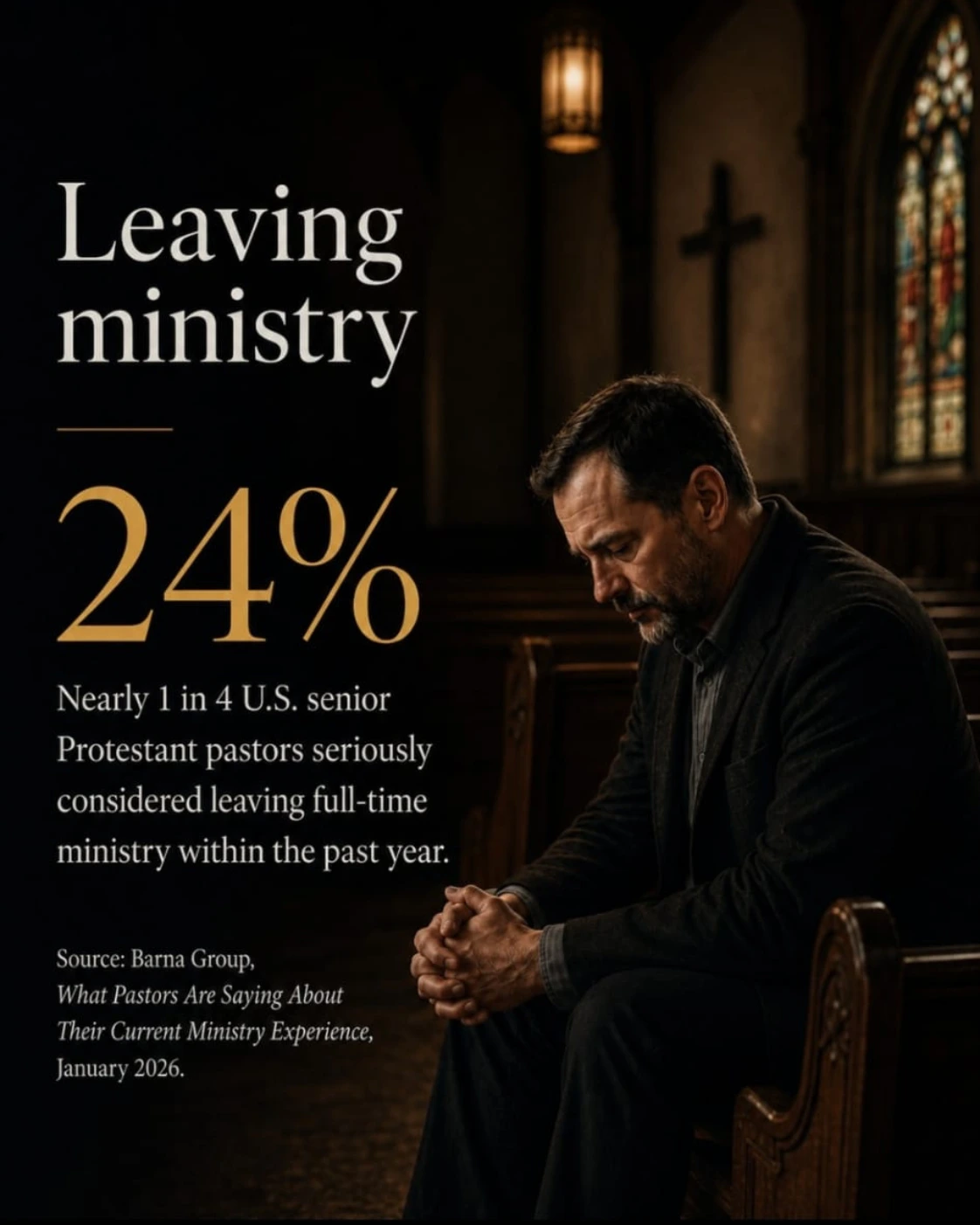
The pastor called to a house where a murder occurred, and the bloody handprints are still on the wall.
The firefighter who carried someone out and still carries them — the weight of that moment living in the body long after the flames were out.
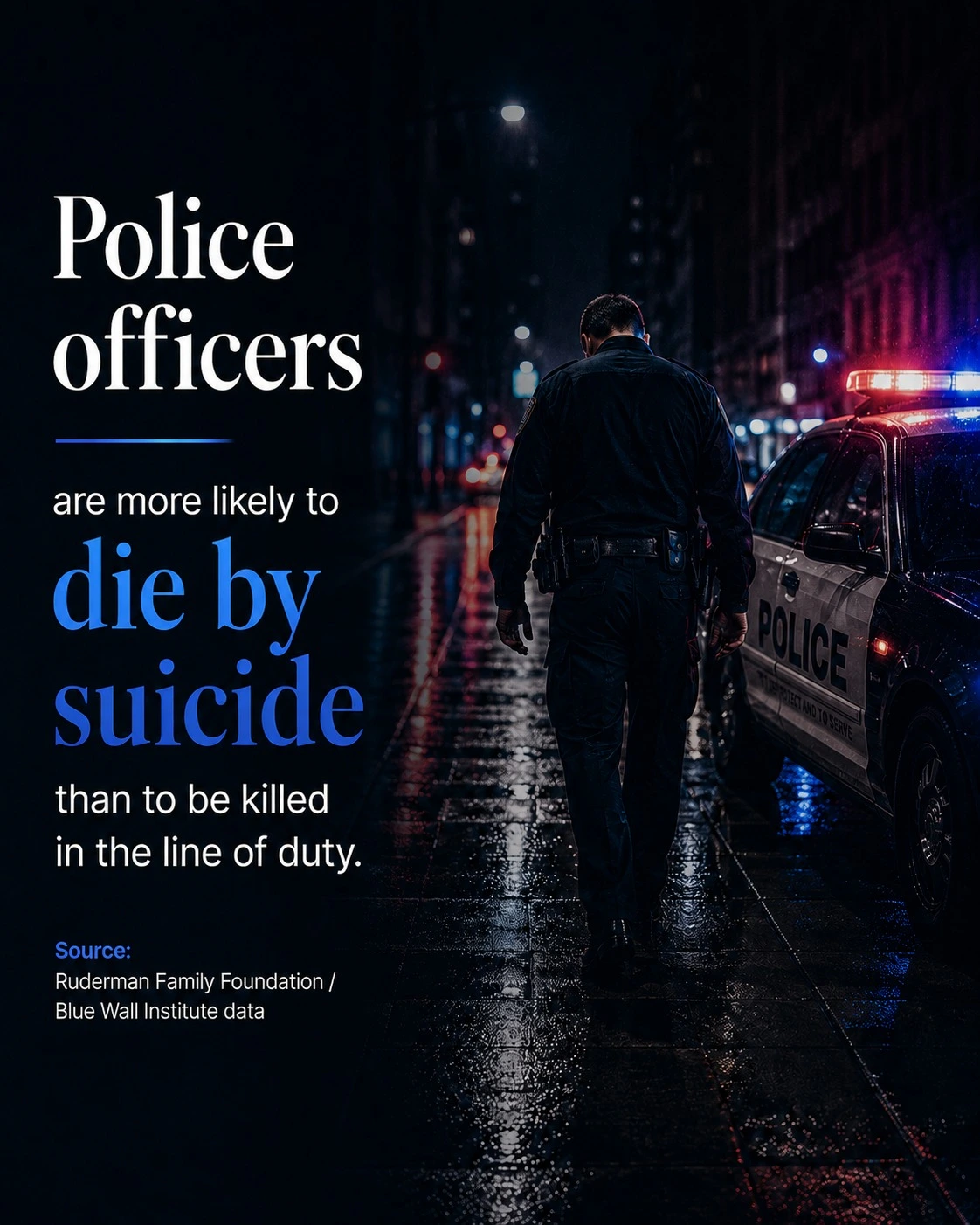
The police officer who responded to the call that never leaves — the one that replays in the quiet between shifts, long after the report was filed and the case was closed.
The security officer who stands at the threshold between order and chaos, absorbing what others never see — and rarely has anyone to tell.
The hospital administrator who holds the weight of an entire institution — the staff, the patients, the impossible decisions — while the world only sees the paperwork.
The housekeeper who cleaned the room after the loss — who restored order to a space still heavy with grief — and was never once asked how she was doing.
The unit clerk who carries the weight of an entire emergency department on her shoulders all at once — and is the one nobody thinks to check on.
Every one of them is carrying something real. Every one of them deserves language for what they carry.
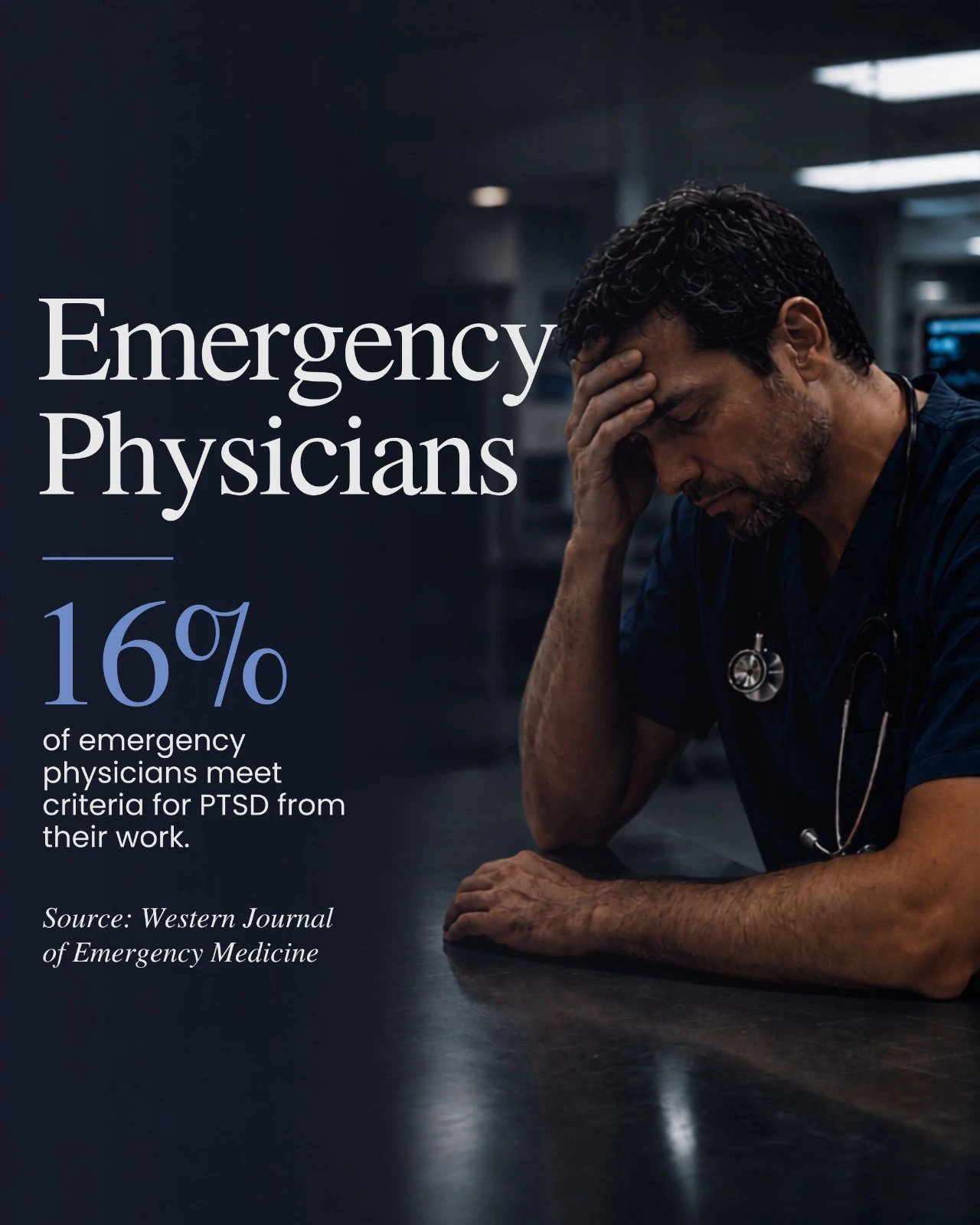
The Cost of Bearing Witness at the Front Door of Suffering. Emergency medicine physicians work at the intersection of crisis, uncertainty, and human vulnerability. This paper examines vicarious trauma as a cumulative occupational reality in emergency medicine — how it develops, how it shows up, and why peer-based conversation is essential for long-term sustainability in the specialty.
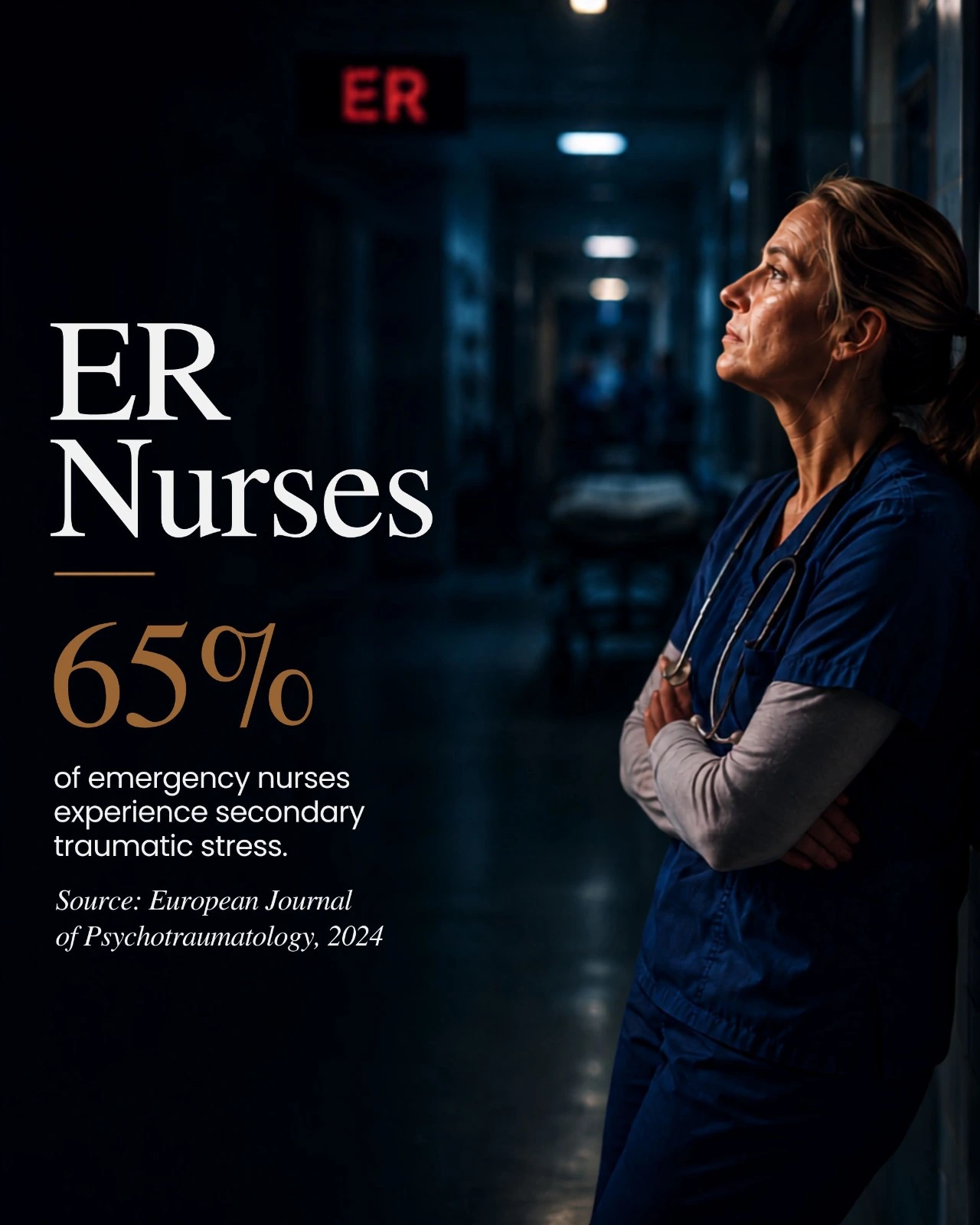
Download PDFWhen Frontline Care Becomes a Cumulative Burden. Emergency medicine nurses move rapidly between resuscitations, triage decisions, death notifications, and psychiatric crises — required to remain composed and emotionally steady without adequate space to process what that costs. This paper examines vicarious trauma as an embedded occupational reality in emergency nursing.
Download PDFThe Hidden Weight of Supporting Care at the Front Line. ER technicians see and absorb everything that nurses and doctors do — but without the recognition, the authority, or the institutional support. This paper names vicarious trauma in ER technicians explicitly and makes the case for their full inclusion in every wellness conversation.
Download PDFBearing Consequence Without Acknowledgment in the Hidden Heart of Healthcare. Medical laboratory scientists run the tests, process the specimens, and release the results that determine what happens next in clinical care. Blood bank technologists manage massive transfusion protocols knowing a patient is hemorrhaging — and never learn the outcome. This paper examines vicarious trauma among laboratory professionals and makes the case that knowledge itself is a form of trauma exposure.
Download PDFThe Breath They Manage, the Weight They Carry. Respiratory therapists manage the ventilator through every code, every crashing airway, and every terminal withdrawal of support — and then answer the next page. One in three screened positive for likely PTSD. One in four considered leaving the profession. This paper names vicarious trauma in respiratory therapy explicitly and makes the case for peer-based support and institutional responsibility in a specialty too often left out of the healthcare wellness conversation.
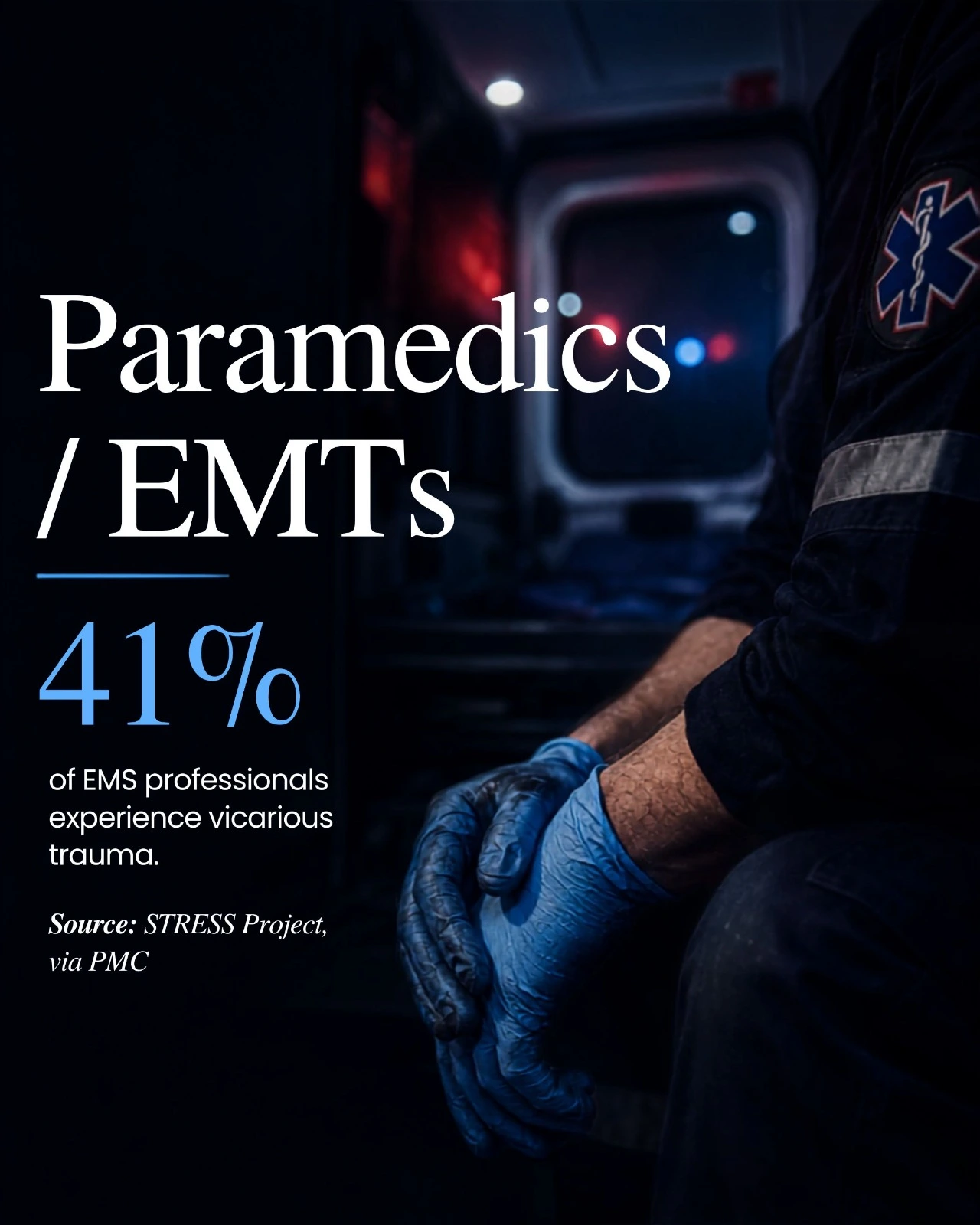
Download PDFCarrying Crisis Before Care Begins. Paramedics and EMTs arrive first. They see the scene before anyone else — before stabilization, before context, before any kind of order has been restored. This paper examines the unique vulnerability of prehospital clinicians and the devastating statistics that demand an honest institutional response.
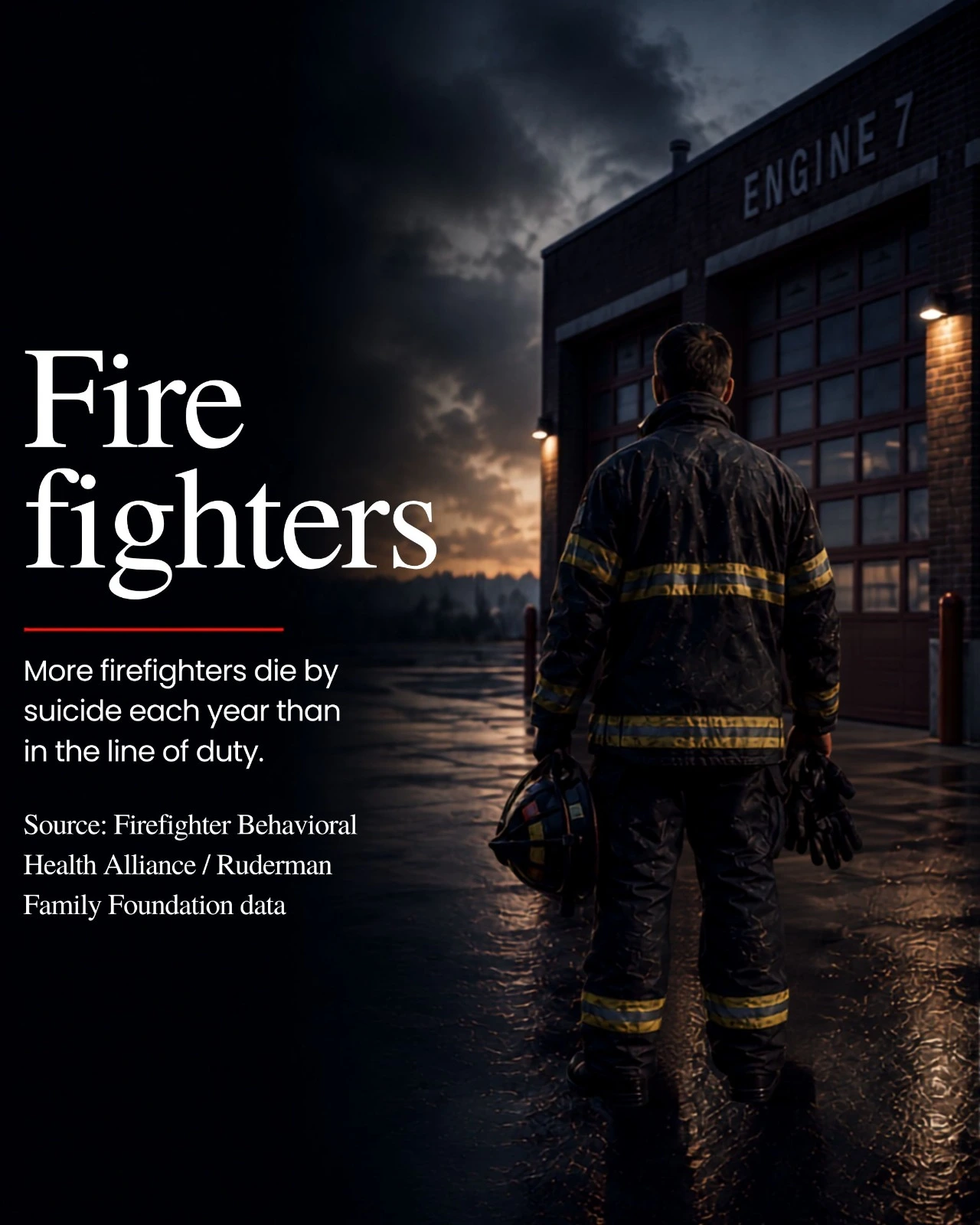
Download PDFThe Cumulative Cost of Running Toward Crisis. Firefighters are willing to give their lives for others. But who is truly caring for them? This paper examines vicarious trauma in the fire service — how it develops, why the culture of the profession makes it difficult to name, and what the numbers demand we can no longer ignore.
Download PDFCarrying the Weight of Constant Vigilance. Police officers try to be tough. But deep down, they hurt. Every morning they walk out the door not knowing if they will come home that night — and their families carry that weight too. This paper examines vicarious trauma in law enforcement and the systemic failure to address what constant vigilance costs over a career.
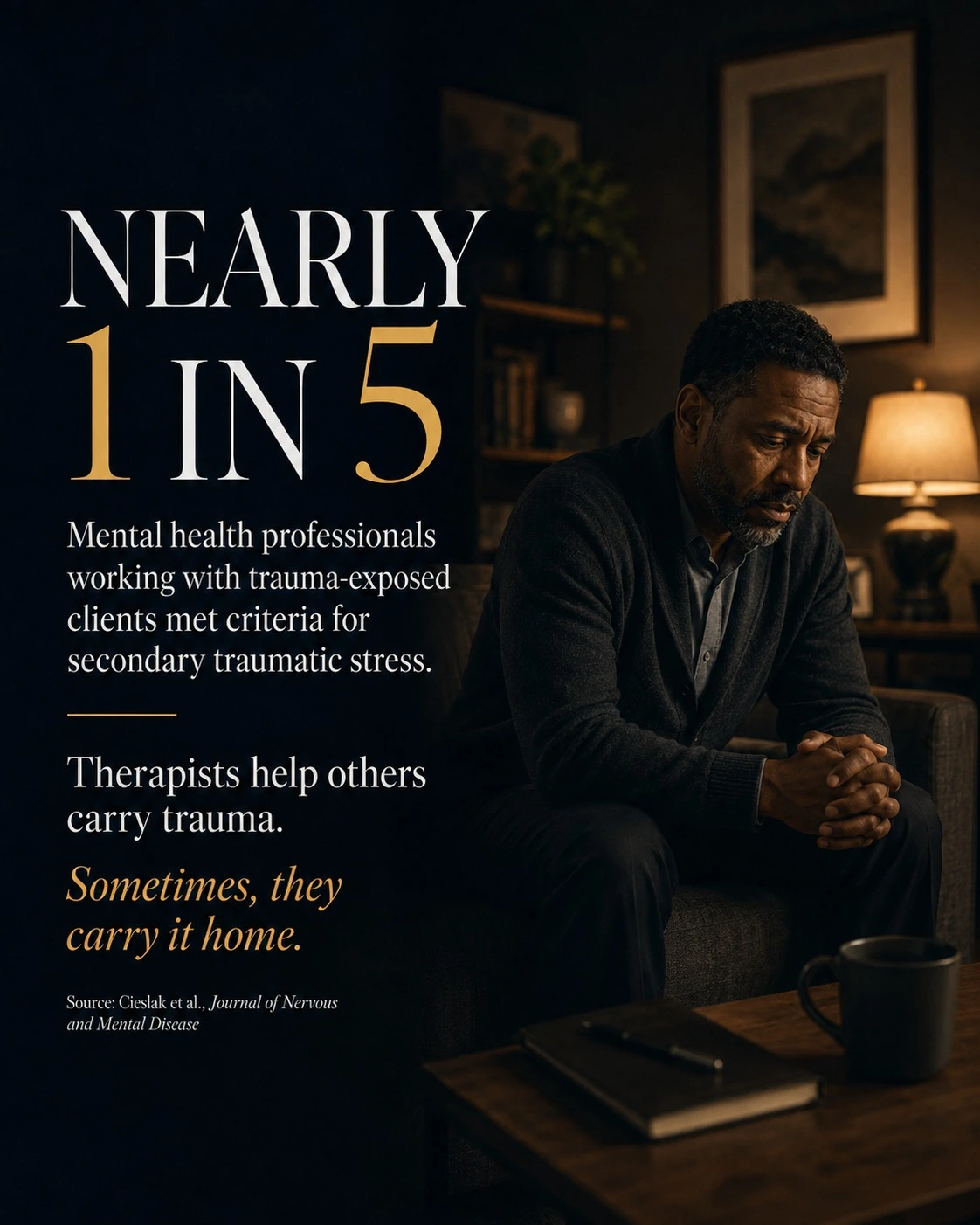
Download PDFWhen Bearing Witness Becomes a Personal Cost. Counselors and therapists are the human sponges for others’ painful thoughts and memories. This paper addresses the particular irony of a profession trained to recognize vicarious trauma in clients that is among the most likely to miss it in themselves.
Download PDFCarrying Stories That Most People Never Hear. Social workers live with the human tragedies of people’s real life home situations — the failed treatment facilities, the overcrowded nursing homes, the families who cannot care for their own. This paper examines vicarious trauma in social work and the systemic conditions that make it especially difficult to address.
Download PDFNaming the Hidden Cost of Bearing Others’ Suffering. Pastors see the stains left behind after murders. They sit with families in the immediate aftermath of the worst things that happen to human beings. This paper examines vicarious trauma in pastoral ministry — including the role that theological expectations play in deepening isolation — and what the data says about the state of pastoral well-being.
Download PDFCarrying the Weight of the ER on Their Shoulders. A family member is at the desk, voice raised. The phone rings — ICU, paging cardiology stat. EMS calls ahead with a trauma four minutes out. The unit clerk handles all of it, simultaneously, all shift long — and nobody asks, at the end of that shift, what it cost her. This paper names vicarious trauma in unit clerks, registration staff, patient relations staff, medical records personnel, and every administrative role that stands at the front door of human distress.
Download PDFAbsorbing Suffering from Below, Pressure from Above. Nurse managers, department directors, charge nurses, and clinical supervisors occupy the most exposed and least supported position in the hospital hierarchy. They absorb the trauma of their staff from below and the pressure of institutional decisions from above — simultaneously, without adequate support from either direction. This paper examines vicarious trauma in hospital middle management and the particular burden of leading through and after the COVID era.
Download PDFHolding Safety, Fear, and Human Distress in Systems of Care. It is 11pm. A drunk patient is at the nurses’ station. The radio crackles — a patient is running naked through the hallway. He has not stopped moving in four hours. Blood from an earlier altercation is still on his uniform. This paper examines what sustained exposure to healthcare workplace violence costs the people managing it — and what institutions must do about it.
Download PDFBearing the Aftermath in Systems of Care. She comes in with her cart. A trauma bay — blood on the floor, on the table, on the equipment, and through the wall the sound of a family screaming. She cleans it. Then the next room. Then the next. This paper names vicarious trauma in environmental services explicitly — and makes the case that invisibility in the wellness conversation is its own form of institutional harm.
Download PDFWe All Take Home a Different Piece of It. The physician. The nurse. The paramedic. The EMT. The firefighter. The police officer. The pastor. The counselor. The therapist. The social worker. The laboratory technician. The ER technician. The unit clerk. The nurse manager. The security guard. The person who cleaned the room after. This paper examines vicarious trauma as a shared occupational reality across all roles in systems of care and crisis response — and makes the case for institutional recognition and support across every role, without exception.
Download PDFDiscover educational resources focused on recognizing vicarious trauma early and building healthier cultures of care. Topics include healthcare, emergency services, ministry, counseling, education, caregiving, and helping professions.
Written for nursing school administrators, faculty, and curriculum committees. This paper makes the case for preparing nursing students for the emotional realities of caregiving with the same seriousness already given to clinical skill — before they encounter those realities alone, mid-shift, with no language for what they're feeling.
📥 Download PDFWritten for medical school administrators, faculty, and curriculum committees. This paper makes the case for preparing medical students for the emotional realities of practicing medicine with the same rigor already given to clinical training — and for building that preparation into the curriculum before crisis reveals its absence.
📥 Download PDFWritten for nursing students, and for the faculty and mentors who guide them. This paper names vicarious trauma in nursing students directly — what it is, why it develops, and why honest preparation before students encounter it is far better than silence after they already have.
📥 Download PDFWritten for medical students, and for the faculty and mentors who guide them. This paper names vicarious trauma in medical students directly — what it is, why it develops, and why the culture of stoicism that carries students through training can also leave them carrying far more than they should, alone.
📥 Download PDFVisual Bible verse videos offering moments of reflection and peace.
A curated collection of Scripture artwork to inspire and uplift. Click any image to view.











Experience powerful scenes and defining moments from The Healer's Journey. Immerse yourself in the narrative before you even turn the first page.
Stay tuned for more resources, upcoming webinars, and interactive study guides to support your ongoing journey of healing and faith.
Discussion paper · PDF
The physician. The nurse. The paramedic. The EMT. The firefighter. The police officer. The pastor. The counselor. The therapist. The social worker. The laboratory technician. The ER technician. The unit clerk. The nurse manager. The security guard. The person who cleaned the room after.
This paper examines vicarious trauma as a shared occupational reality across all roles in systems of care and crisis response — and makes the case for institutional recognition and support across every role, without exception.
A free library exploring vicarious trauma as a cumulative, occupational reality across more than 15 professional roles — written with respect for professional culture, ethical boundaries, and institutional responsibility.
Over time, that exposure shapes the inner lives of caregivers in ways that are often unnamed, misunderstood, or misattributed to burnout alone.
The physician who sees them at night when she closes her eyes.
The nurse who takes home the faces of the people she treated.
The paramedic who was first on scene and never heard how the story ended.
The pastor called to a house where a murder occurred, and the bloody handprints are still on the wall.
The firefighter who carried someone out and still carries them — the weight of that moment living in the body long after the flames were out.
The police officer who responded to the call that never leaves — the one that replays in the quiet between shifts, long after the report was filed and the case was closed.
The security officer who stands at the threshold between order and chaos, absorbing what others never see — and rarely has anyone to tell.
The hospital administrator who holds the weight of an entire institution — the staff, the patients, the impossible decisions — while the world only sees the paperwork.
The housekeeper who cleaned the room after the loss — who restored order to a space still heavy with grief — and was never once asked how she was doing.
The unit clerk who carries the weight of an entire emergency department on her shoulders — all at once — and is the one nobody thinks to check on.
Every one of them is carrying something real.
Every one of them deserves language for what they carry.
This series explores vicarious trauma as a cumulative, occupational reality across more than 15 professional roles. Each paper is written with respect for professional culture, ethical boundaries, and institutional responsibility — offering shared language for a phenomenon that is widely experienced and rarely addressed. These papers are intended for education, reflection, and professional dialogue. They do not provide therapy, diagnosis, or clinical treatment.
The Cost of Bearing Witness at the Front Door of Suffering. Emergency medicine physicians work at the intersection of crisis, uncertainty, and human vulnerability. This paper examines vicarious trauma as a cumulative occupational reality in emergency medicine — how it develops, how it shows up, and why peer-based conversation is essential for long-term sustainability in the specialty.
When Frontline Care Becomes a Cumulative Burden. Emergency medicine nurses move rapidly between resuscitations, triage decisions, death notifications, and psychiatric crises — required to remain composed and emotionally steady without adequate space to process what that costs. This paper examines vicarious trauma as an embedded occupational reality in emergency nursing.
The Hidden Weight of Supporting Care at the Front Line. ER technicians see and absorb everything that nurses and doctors do — but without the recognition, the authority, or the institutional support. This paper names vicarious trauma in ER technicians explicitly and makes the case for their full inclusion in every wellness conversation.
Bearing Consequence Without Acknowledgment in the Hidden Heart of Healthcare. Medical laboratory scientists run the tests, process the specimens, and release the results that determine what happens next in clinical care. Blood bank technologists manage massive transfusion protocols knowing a patient is hemorrhaging — and never learn the outcome. This paper examines vicarious trauma among laboratory professionals and makes the case that knowledge itself is a form of trauma exposure.
The Breath They Manage, the Weight They Carry
Respiratory therapists manage the ventilator through every code, every crashing airway, and every terminal withdrawal of support — and then answer the next page. One in three screened positive for likely PTSD. One in four considered leaving the profession. This paper names vicarious trauma in respiratory therapy explicitly and makes the case for peer-based support and institutional responsibility in a specialty too often left out of the healthcare wellness conversation.
Carrying Crisis Before Care Begins. Paramedics and EMTs arrive first. They see the scene before anyone else — before stabilization, before context, before any kind of order has been restored. This paper examines the unique vulnerability of prehospital clinicians and the devastating statistics that demand an honest institutional response.
The Cumulative Cost of Running Toward Crisis. Firefighters are willing to give their lives for others. But who is truly caring for them? This paper examines vicarious trauma in the fire service — how it develops, why the culture of the profession makes it difficult to name, and what the numbers demand we can no longer ignore.
Carrying the Weight of Constant Vigilance. Police officers try to be tough. But deep down, they hurt. Every morning they walk out the door not knowing if they will come home that night — and their families carry that weight too. This paper examines vicarious trauma in law enforcement and the systemic failure to address what constant vigilance costs over a career.
When Bearing Witness Becomes a Personal Cost. Counselors and therapists are the human sponges for others’ painful thoughts and memories. This paper addresses the particular irony of a profession trained to recognize vicarious trauma in clients that is among the most likely to miss it in themselves.
Carrying Stories That Most People Never Hear. Social workers live with the human tragedies of people’s real life home situations — the failed treatment facilities, the overcrowded nursing homes, the families who cannot care for their own. This paper examines vicarious trauma in social work and the systemic conditions that make it especially difficult to address.
Naming the Hidden Cost of Bearing Others’ Suffering. Pastors see the stains left behind after murders. They sit with families in the immediate aftermath of the worst things that happen to human beings. This paper examines vicarious trauma in pastoral ministry — including the role that theological expectations play in deepening isolation — and what the data says about the state of pastoral well-being.
Carrying the Weight of the ER on Their Shoulders. A family member is at the desk, voice raised. The phone rings — ICU, paging cardiology stat. EMS calls ahead with a trauma four minutes out. The unit clerk handles all of it, simultaneously, all shift long — and nobody asks, at the end of that shift, what it cost her. This paper names vicarious trauma in unit clerks, registration staff, patient relations staff, medical records personnel, and every administrative role that stands at the front door of human distress.
Absorbing Suffering from Below, Pressure from Above. Nurse managers, department directors, charge nurses, and clinical supervisors occupy the most exposed and least supported position in the hospital hierarchy. They absorb the trauma of their staff from below and the pressure of institutional decisions from above — simultaneously, without adequate support from either direction. This paper examines vicarious trauma in hospital middle management and the particular burden of leading through and after the COVID era.
Holding Safety, Fear, and Human Distress in Systems of Care. It is 11pm. A drunk patient is at the nurses’ station. The radio crackles — a patient is running naked through the hallway. He has not stopped moving in four hours. Blood from an earlier altercation is still on his uniform. This paper examines what sustained exposure to healthcare workplace violence costs the people managing it — and what institutions must do about it.
Bearing the Aftermath in Systems of Care. She comes in with her cart. A trauma bay — blood on the floor, on the table, on the equipment, and through the wall the sound of a family screaming. She cleans it. Then the next room. Then the next. This paper names vicarious trauma in environmental services explicitly — and makes the case that invisibility in the wellness conversation is its own form of institutional harm.
We All Take Home a Different Piece of It. The physician. The nurse. The paramedic. The EMT. The firefighter. The police officer. The pastor. The counselor. The therapist. The social worker. The laboratory technician. The ER technician. The unit clerk. The nurse manager. The security guard. The person who cleaned the room after. This paper examines vicarious trauma as a shared occupational reality across all roles in systems of care and crisis response — and makes the case for institutional recognition and support across every role, without exception.
A blend of memoir, fiction, and spiritual reflection following Dr. Mira Anand across Europe.
A 12-week guided devotional journaling workbook to recover from burnout and emotional fatigue.
A 90-day devotional for caregivers and first responders, available on Amazon.
A 12-session group program for hospitals, nursing schools, and counseling groups.
Watch The Healer’s Journey unfold through real stories and reflections.
Visit Our YouTube Channel